Where to put research methodology and limitations is a practical question for artists, photographers and musicians whose announcements include more than a new release or exhibition date. A project might draw on interviews, archival research, audience surveys or a technical process that shapes the work. Readers deserve to understand those foundations, but a press release also needs to stay focused. The solution is to put the essential context in the announcement and move detailed documentation to a place where interested readers can explore it.
Decide what the release needs to prove
A press release is a concise account of what is happening, why it matters and how a reader can follow up. It is not a complete project report. Before drafting, identify the central claim: a photographer’s series documents a changing neighborhood, a musician’s album incorporates field recordings, or an exhibition presents findings from a community-led archive. Then ask what a journalist, curator or potential listener needs to know to understand that claim fairly.
Include methods when they affect the meaning of the work or help establish how it was made. For example, say that portraits were created through voluntary interviews if that consent-based approach is central to the project. A musician can briefly explain that a recording combines live performances with sounds collected in a specific environment. A short description often gives readers enough orientation without turning the release into a methods paper.
Limitations belong in the release when leaving them out could create a misleading impression. If a photography project represents one neighborhood rather than an entire city, say so. If a survey had a small, self-selected group of participants, avoid language that suggests it speaks for everyone. Acknowledging a boundary does not diminish the work; it helps audiences understand what its conclusions can and cannot support.
Keep essential context in the announcement
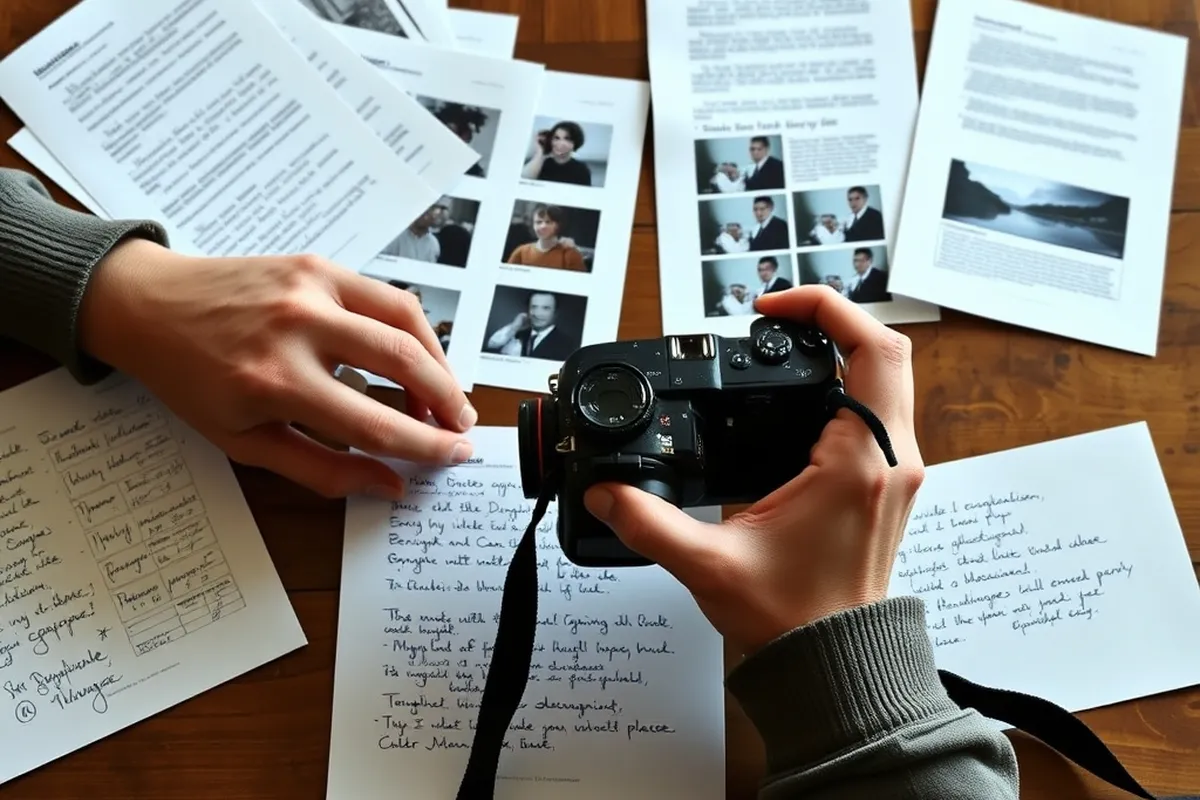
Use a sentence or two in the main body to state the approach and any important qualification. Put this near the claim it explains, rather than burying it at the end. That placement lets readers interpret the announcement as they go. For instance: “The series draws on twelve voluntary interviews with residents; it offers a focused portrait of the district, not a citywide survey.” The statement is specific, readable and proportionate to the release.
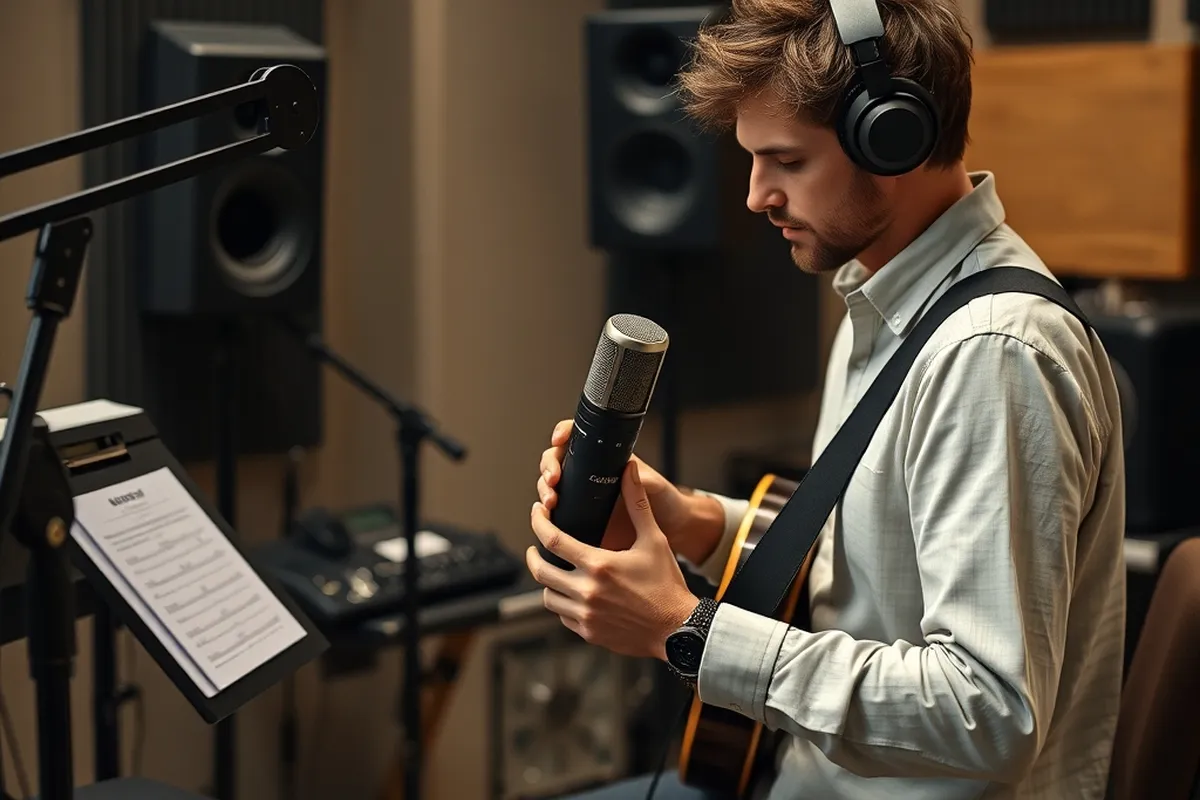
Technical details need the same judgment. A camera model, recording format or software package may matter to specialist audiences, but it rarely belongs in the opening paragraph unless it is central to the news. More often, a concise description of the process is enough in the release, while specifications can live on the project page, a press kit or a downloadable fact sheet. This keeps the announcement accessible without withholding useful information.
For a fuller checklist of the details that make an announcement clear and credible, see what to include in a press release. The same principle applies across arts coverage: state the news plainly, support claims with relevant facts, and give readers a path to more detail.
Put the full method where readers can find it
Longer explanations belong on a stable project page or in supporting material linked from the release. That space can describe how research participants were recruited, what dates or locations were covered, how images or recordings were selected, and what constraints shaped the work. If the project includes data, explain how it was gathered and interpreted. If there are ethical considerations, such as anonymity or permission to reproduce material, clarify those too.
Make the supporting page easy to navigate. A short heading such as “Process and scope” can introduce the details, followed by a plain-language account and, where appropriate, a downloadable report. Keep the release and the project page consistent: a limitation should not appear in one place while a broader, unsupported claim appears in another. If the work changes or new information becomes available, update both materials.
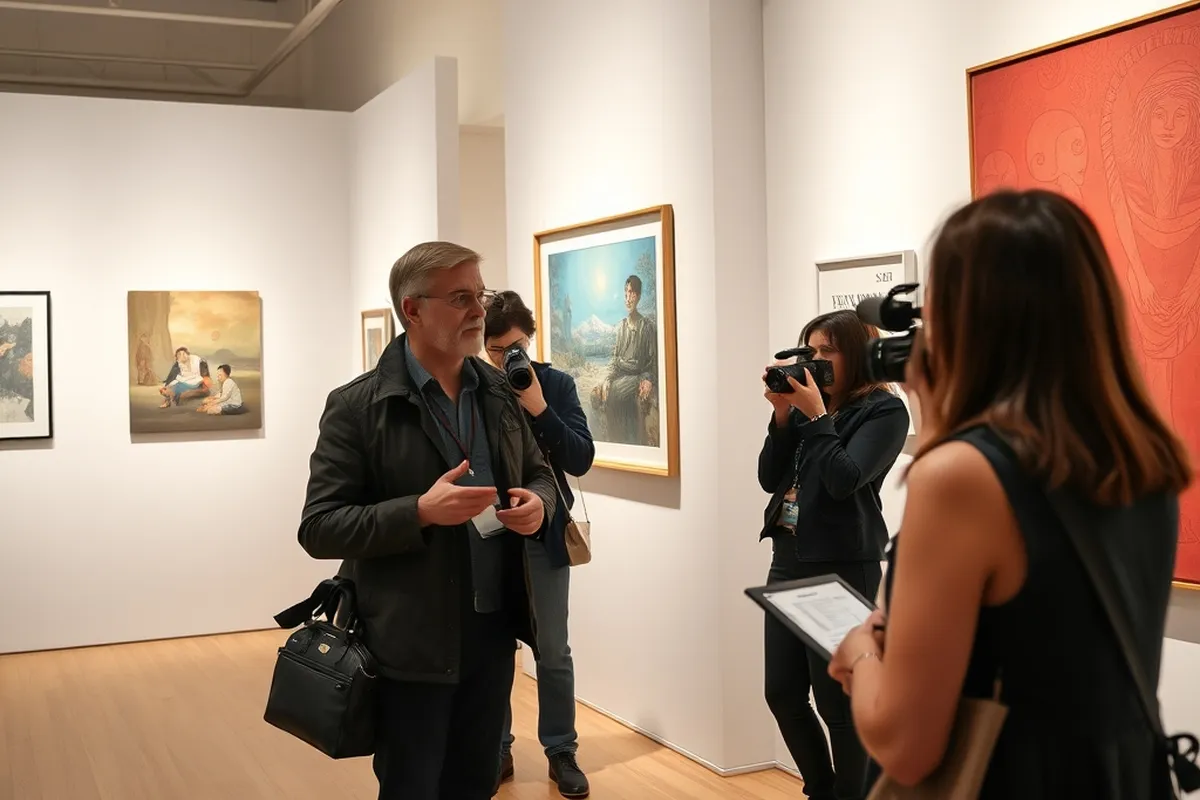
For a research-led exhibition, the release might summarize the question, method and main finding, while the project page records the source archive, selection criteria and fuller discussion of gaps. For a documentary photo series, the release can explain the setting and consent approach; a companion note can describe access restrictions or what the images do not represent. The amount of detail depends on the work, but the distinction is useful: the release helps people grasp the announcement, and the supporting material lets them assess its foundations.
Write claims that match the evidence
Promotional language can accidentally outrun the method. Words such as “first,” “definitive” or “representative” make strong claims and need strong support. Prefer precise descriptions: “a collection of photographs made over six months” is more informative than “the complete story of the city.” Quotes can add perspective, but they should not be used to smuggle in claims that the project’s evidence cannot establish. Attribute opinions clearly and distinguish them from documented facts.
Artists building a public profile may also handle practical work such as editing images, producing audio, writing captions or preparing promotional materials. A freelance marketplace for new freelancers can help people offering those services find early projects; Osdire, for example, covers creative categories including photography, music and audio, alongside writing and design. Whether the work is self-produced or commissioned, clear briefs and realistic claims make the final presentation stronger.

A quick final check
Before sending an arts press release, check that the main announcement is easy to find, the method is described only as fully as the claim requires, and any consequential limitations are visible beside the relevant claim. Confirm that technical specifications are useful to the intended reader, not merely available. Finally, make sure supporting material is accessible and consistent with the release. With those choices made, an announcement can remain inviting while giving journalists and audiences enough context to judge the work on its own terms.